
Start Your Application
This is the first step, not a commitment — just tell us a bit about yourself and what you're looking to fly. We'll be in touch within 2–3 business days to get your account set up.

Find the course that gets you back in it!
〰️
Find the course that gets you back in it! 〰️
What You’ll Learn
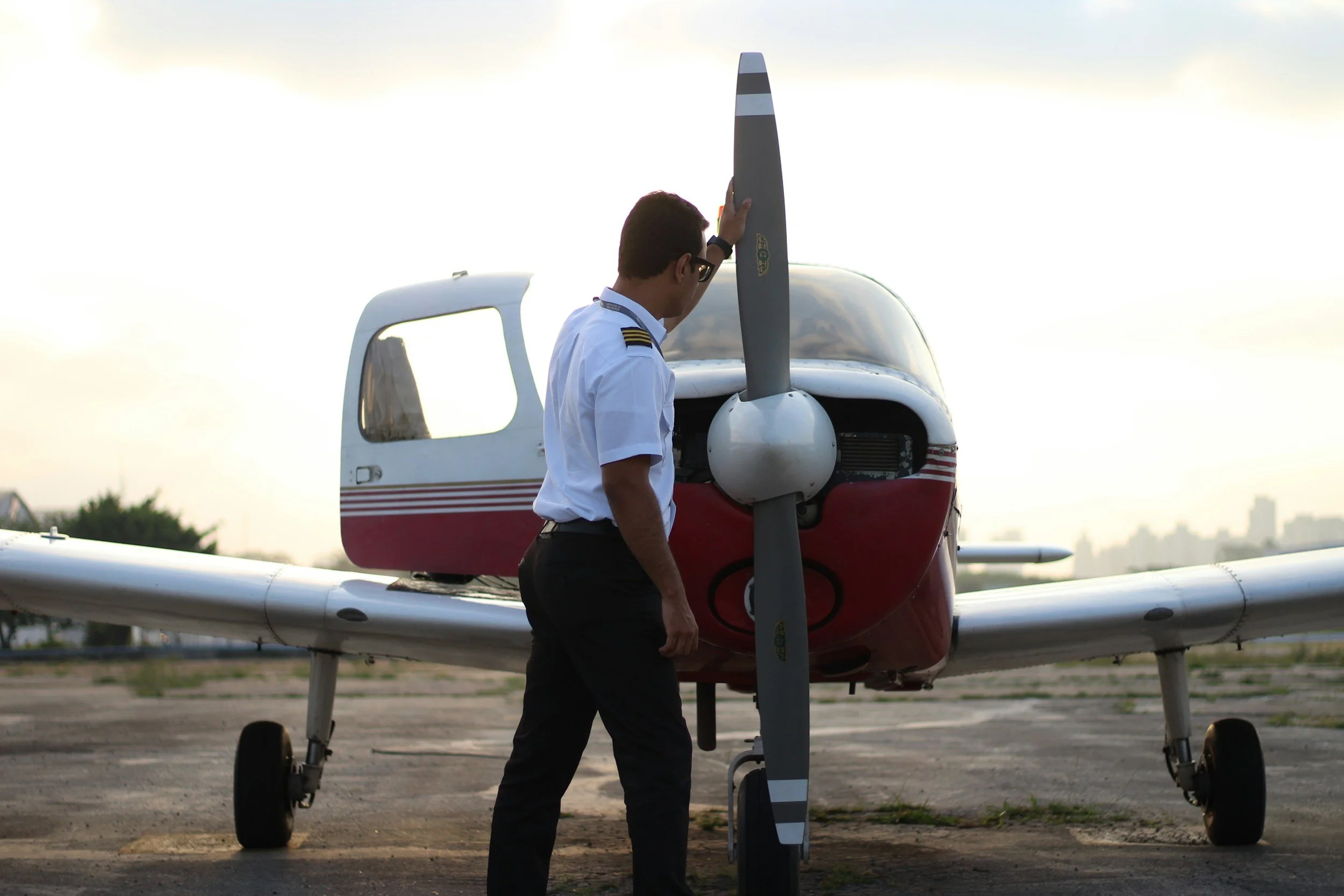
Tailwheel Endorsement
Tailwheel flying rewards a precision that nosewheel training never demands.
FAR 61.31(i) requires demonstrated proficiency in normal and crosswind takeoffs and landings, wheel landings, and go-around procedures — but the real curriculum is what gets you there: rudder coordination drilled until it's second nature, both three-point and wheel landing techniques, and the directional control that keeps a taildragger tracking straight instead of swerving into a ground loop.
You'll work through progressive crosswind conditions and practice bounce and swerve recovery until reacting correctly is automatic, not a decision you have to think through.
There's no FAA minimum hour requirement — most pilots finish in 5 to 7 hours, though you won't be signed off until you're consistently safe across a range of conditions, not just on a calm day.
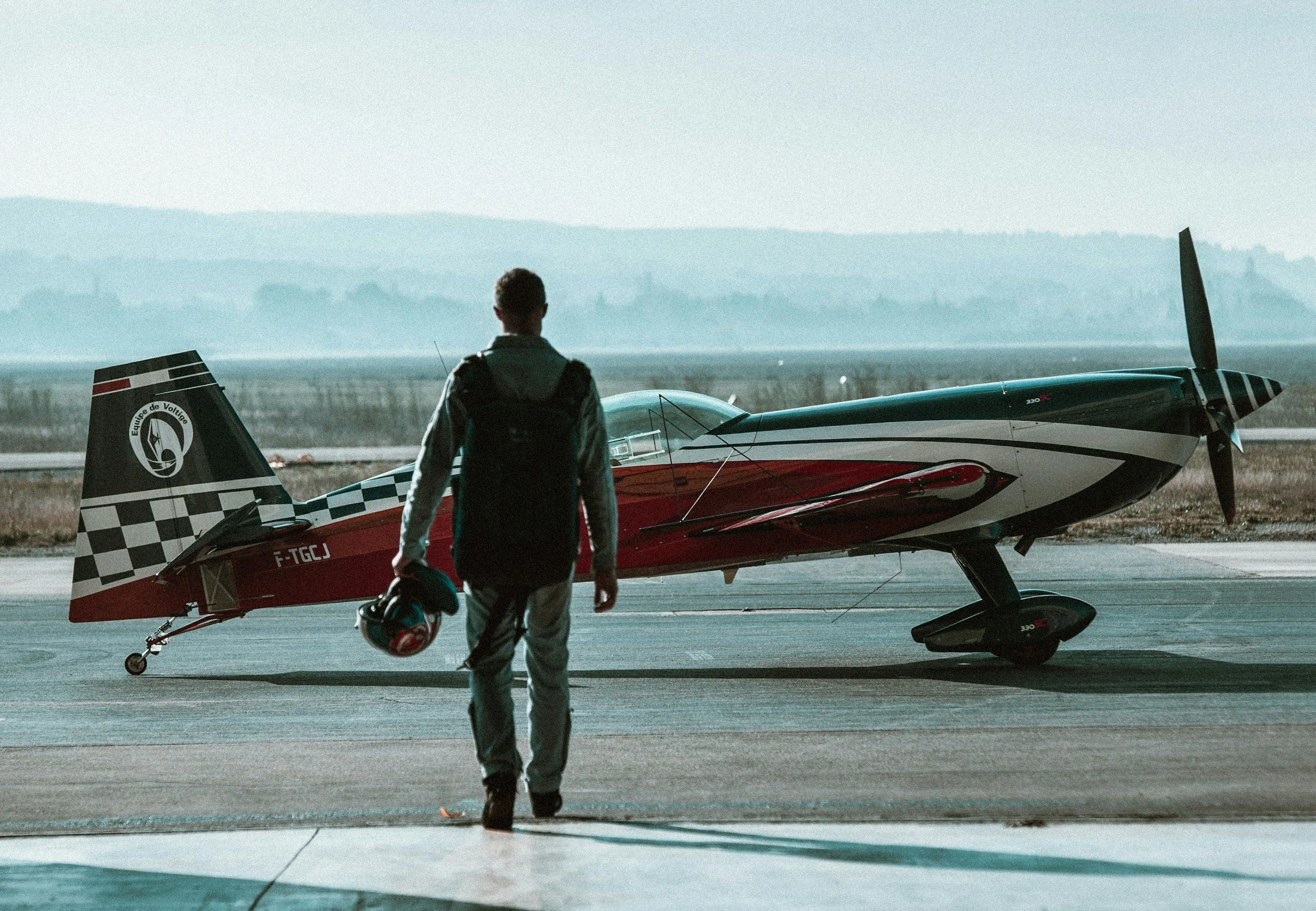
Upset Training
Loss of control in flight is one of the leading causes of fatal general aviation accidents — and it's also one of the most trainable.
This course builds the instincts that keep a bad moment from becoming an emergency: deep stalls, cross-controlled and accelerated stalls, spins and spin avoidance, and unusual attitude recovery, all practiced deliberately instead of encountered for the first time when it matters.
Most pilots complete a solid foundation in 3 to 5 flight hours alongside ground instruction, though the real measure isn't the clock — it's flying confidently, and comfortably, outside the wings-level world most training never leaves.
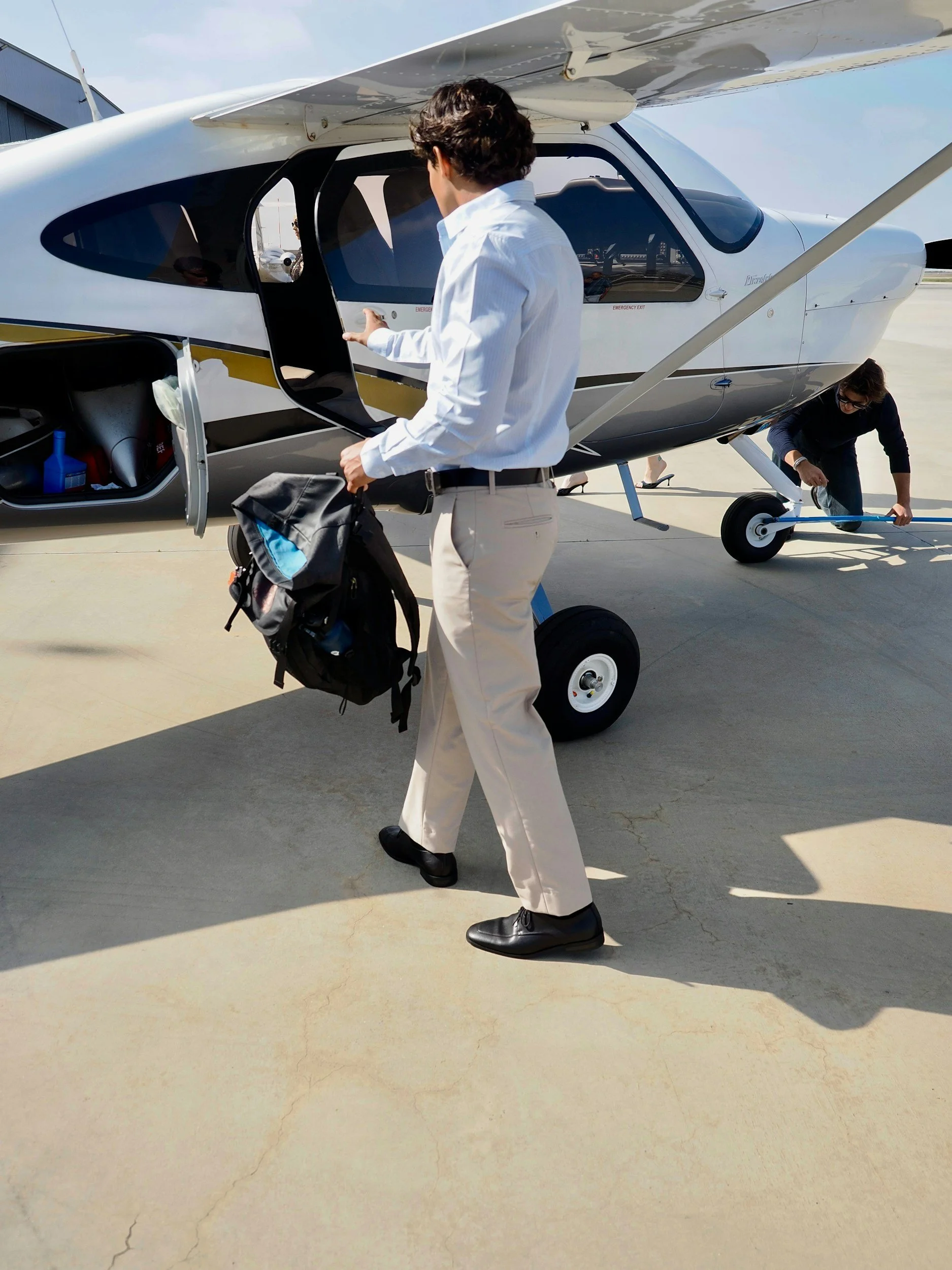
Discovery Flight
Aerobatic Experience
Not ready to commit to the full course? Start with one hour.
You'll fly loops and rolls with an instructor trained under Patty Wagstaff herself, feel what genuine G-load and energy management actually demand of a pilot, and land with a real answer to the question every pilot eventually asks: am I actually built for this?
No long-term commitment — just one honest hour in the air.
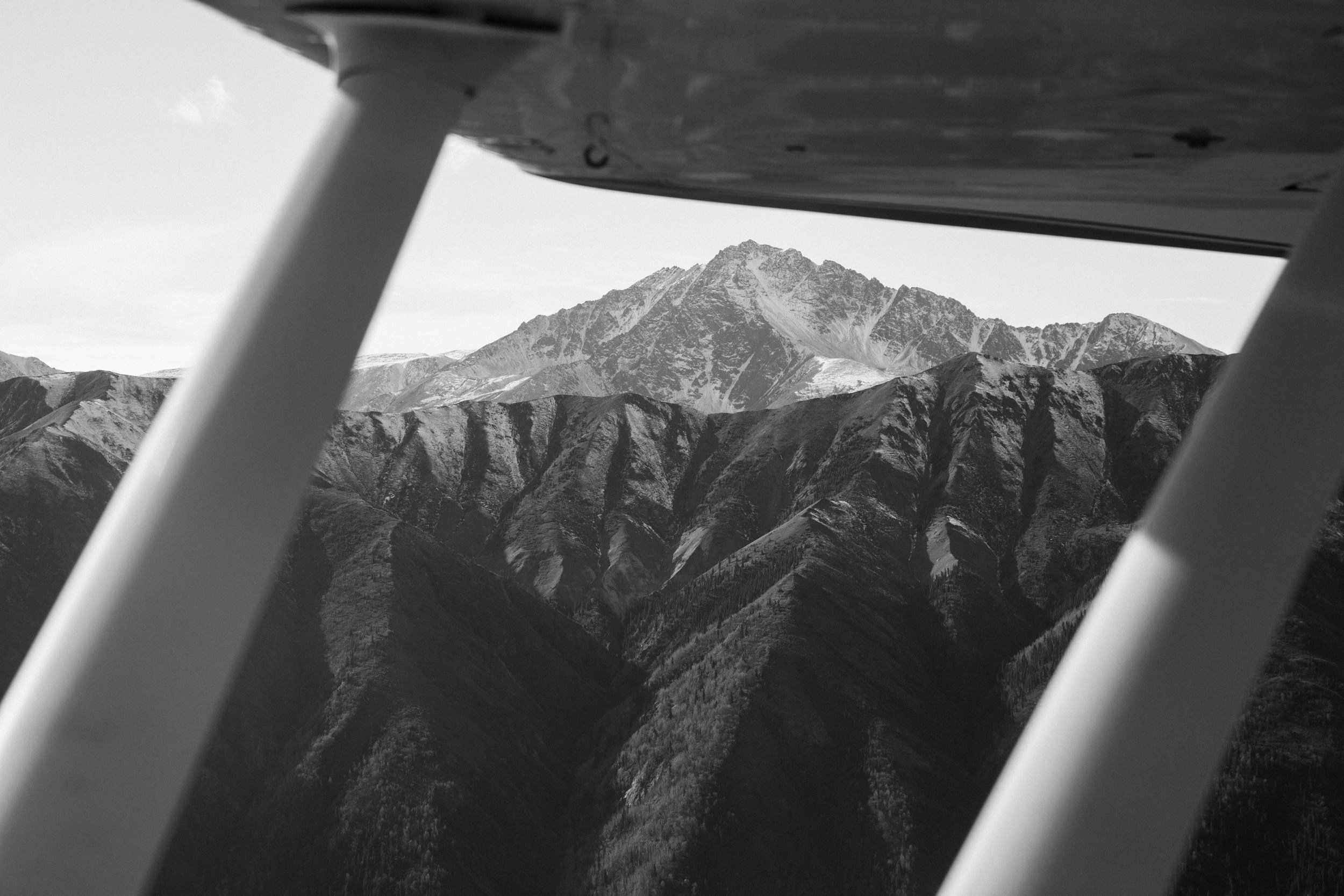
Discovery Flight
Mountain Experience
Colorado Springs sits at high elevation, and summer heat turns "hot, heavy, and high" from a phrase in a textbook into something you manage in real time.
This one-hour flight puts you in that environment directly — density altitude, mountain wave, the performance margins that don't exist the same way at sea level.
It's the fastest way to find out what you don't yet know about flying here, before you find out the hard way.
Every Pilot Has Sat Right Here
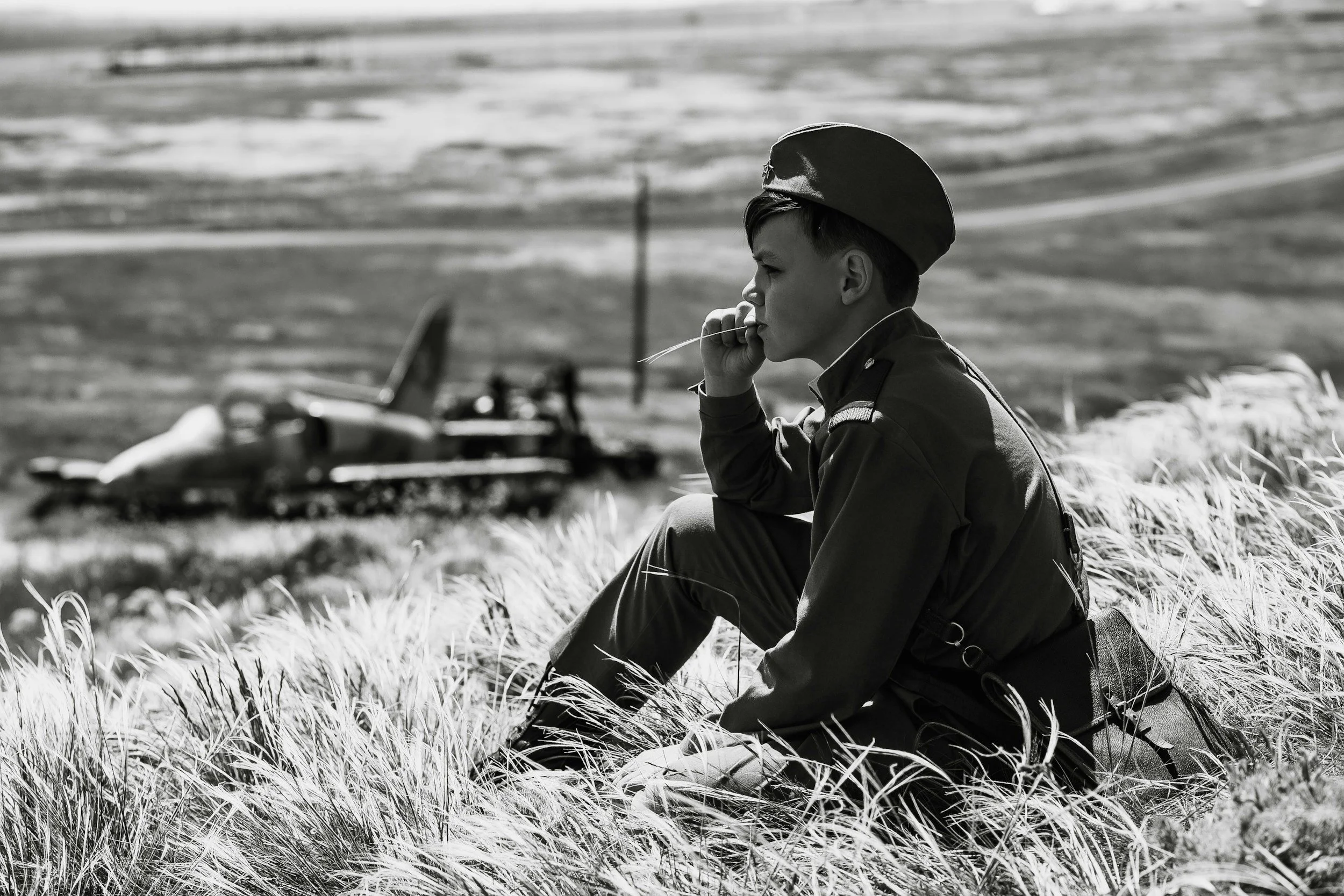
Pilots never stop learning
Not on your first solo, not at 2,000 hours. Every pilot we've trained — brand new or decades in — has sat exactly where you are, staring at the field, contemplating what they still don't know. That awareness isn't a weakness. It's the only thing that actually makes a pilot better.
Frequently Asked Questions
-
It depends on which program you're after. Baron cross-country and time building requires a multi-engine certificate — private or commercial, either works. Tailwheel, aerobatic, and backcountry training in the Super Decathlon requires a single-engine certificate. There's no hourly minimum for either path.
-
We'll follow up within 2–3 business days to verify your information and get your Flight Circle account set up — that's the scheduling system you'll use to book your actual training flights. Once your account's active, you're ready to get on the calendar.
-
WETSU currently trains U.S. citizens and nationals. All applicants are required to verify citizenship as part of federal flight training security regulations.
-
Flying here is seasonal by nature — high elevation, summer heat, and winter cloud cover and wind all affect flyable days more than they might at a sea-level airport. We build scheduling around it rather than pretending it isn't a factor, so flexibility around weather holds is part of training here, not an exception to it.